Special Sections
Segregated Seattle
For most of its history Seattle was a sharply segregated city, as committed to white supremacy as any location in America. People of color were excluded from most jobs, most neighborhoods, and many stores, restaurants, and other commercial establishments. More →
Chicano/a Movement in Washington
The Chicano movement in Washington emerged in the Yakima Valley, home to most of the state's Latinos, and in Seattle and the University of Washington, where Chicano students launched many new initiatives. More →
LGBTQ Activism in Seattle History
Lesbian, Gay, Bisexual, Transgender, and Queer people have been visible and politically active in Seattle for generations, and their activism yielded pioneering civil rights victories. This special section explores this history through oral histories, a timeline, essays, photos, and documents. More →
Seattle Black Panther Party History and Memory
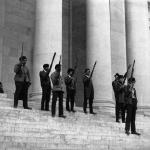
The Black Panther Party made a major impact on Seattle. Committed to armed self defense, the Panthers showed that struggles for racial justice had moved beyond nonviolent protest. This special section includes video interviews with Party veterans and hundreds of photographs, newspaper articles, documents. More →
The Ku Klux Klan In Washington State
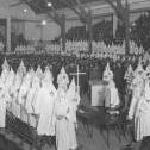
With thousands of members and dangerous ambitions, the KKK became an important political force in Washington in the early 1920s, electing mayors and officials in several cities. This special section includes rare pictures, documents, and a detailed history of the Klan's effort to take power. More →
Farm Workers in Washington State
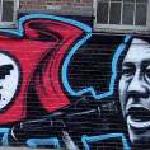
This multi-media special section details the history of farm workers from the 1890s to the present and explores their labor activism from the IWW to the UFW. More →
Filipino Cannery Unionism Across Three Generations 1930s-1980s
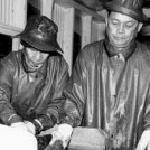
Seattle's Filipino-American community created one of the most important examples of civil rights unionism on the West Coast. Starting in 1933, the unionization of workers in the Alaska canneries gave Filipinos an important tool to fight for better working conditions and also for civil rights. More →
Seattle's Asian American Movement
The Asian American movement that promoted this new identity--which initially united Japanese, Chinese, and Filipino Americans, and then expanded to include Koreans, Southeast and South Asians, and Pacific Islanders--was driven largely by student activists radicalized by anti-Vietnam war and black power movements. More →
Seattle has a unique civil rights history that challenges the way we think about race, civil rights, and the Pacific Northwest. Civil rights movements in Seattle started well before the celebrated struggles in the South in the 1950s and 1960s, and they relied not just on African American activists but also on Filipino Americans, Japanese Americans, Chinese Americans, Jews, Latinos, and Native Americans. They also depended upon the support of some elements of the region's labor movement. From the 1910s through the 1970s, labor and civil rights were linked in complicated ways, with some unions and radical organizations providing critical support to struggles for racial justice, while others stood in the way.
This multi-media web site brings the vital history of Seattle's civil rights movements to life with scores of video oral histories, hundreds of rare photographs, documents, movement histories, and personal biographies, more than 300 pages in all. Based at the University of Washington, the Seattle Civil Rights and Labor History Project is a collaboration between community groups and UW faculty and students. Here is more About the Project, about our contributors, and the project's impact.
Tour the Project
Activist Oral Histories We have interviewed more than 80 civil rights activists. You can watch video excerpts and read short biographies.
Films & Slide Shows Here are short films and powerpoint slide shows that introduce special themes of the Seattle Civil Rights and Labor History Project.
Research Reports These in-depth historical essays explore fascinating issues, incidents, and people. Each is fully illustrated with photos and newspaper articles.
Segregated Seattle Learn about the history of racial segregation in Seattle and check to see whether property in your neighborhood includes restrictive covenants. See What's In Your Deed?
Seattle's Ethnic Press Read about the newspapers that have represented Seattle's communities of color.
Civil Rights Organizations Here are short profiles and links to more information about more than fifty organizations that have participated in struggles for civil rights over the course of the 20th century.
For Teachers Lesson plans, project ideas, powerpoint slide shows, and other materials for high school, college, and middle school classrooms.
Special Sections We have comprehensive reports, oral histories, photo collections, and documents about these movements and organizations:
- Seattle Black Panther Party History and Memory
- Filipino Cannery Unionism Across Three Generations 1930s to 1980s
- Tyree Scott and the United Construction Workers Association
- Seattle's Asian American Movement 1969-1973
- Chicano/a Movement in Washington State History Project
- LGBTQ Activism in Seattle History
- CORE and the Central Area Civil Rights Campaigns 1960-1968
- The 1907 Bellingham Riots
- The Ku Klux Klan in Washington State, 1920s
- The Black Student Union at UW: Black Power on Campus
- Farm Workers in Washington State History
Help us complete the Racial Restrictive Covenant Project
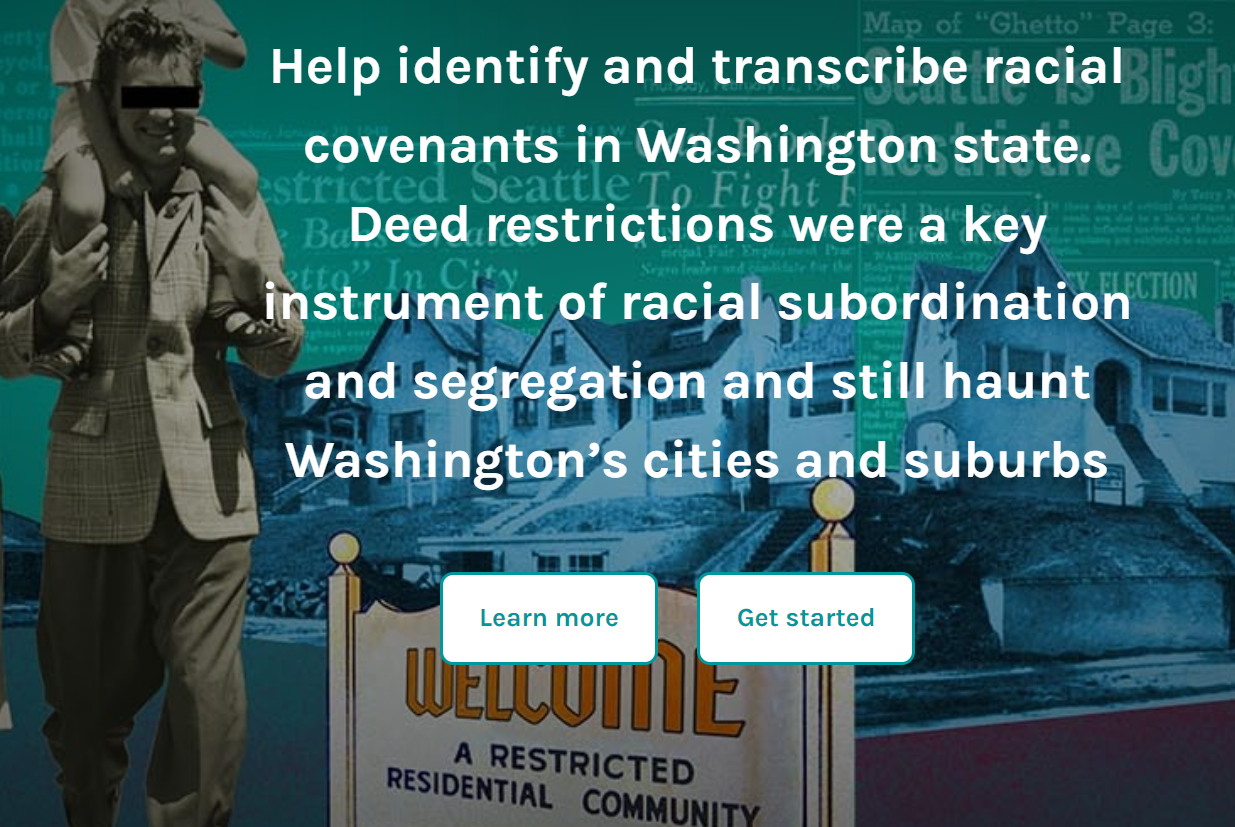
Volunteers are assisting by reading deeds and recording the restrictions. We use optical character recognition (OCR) to identify property records containing racial language, but computers can only do some of the work. Please volunteer to examine the text flagged by the computer and answer a series of questions. Each document takes no more than a few minutes to examine. Teachers: this can be an exciting class project. More